Regional Card Game Variations Drive Loyalty Structures on European Online Gaming Sites
Écrit par Petra Schmid · 22/8/2026
Regional Card Game Variations Drive Loyalty Structures on European Online Gaming Sites
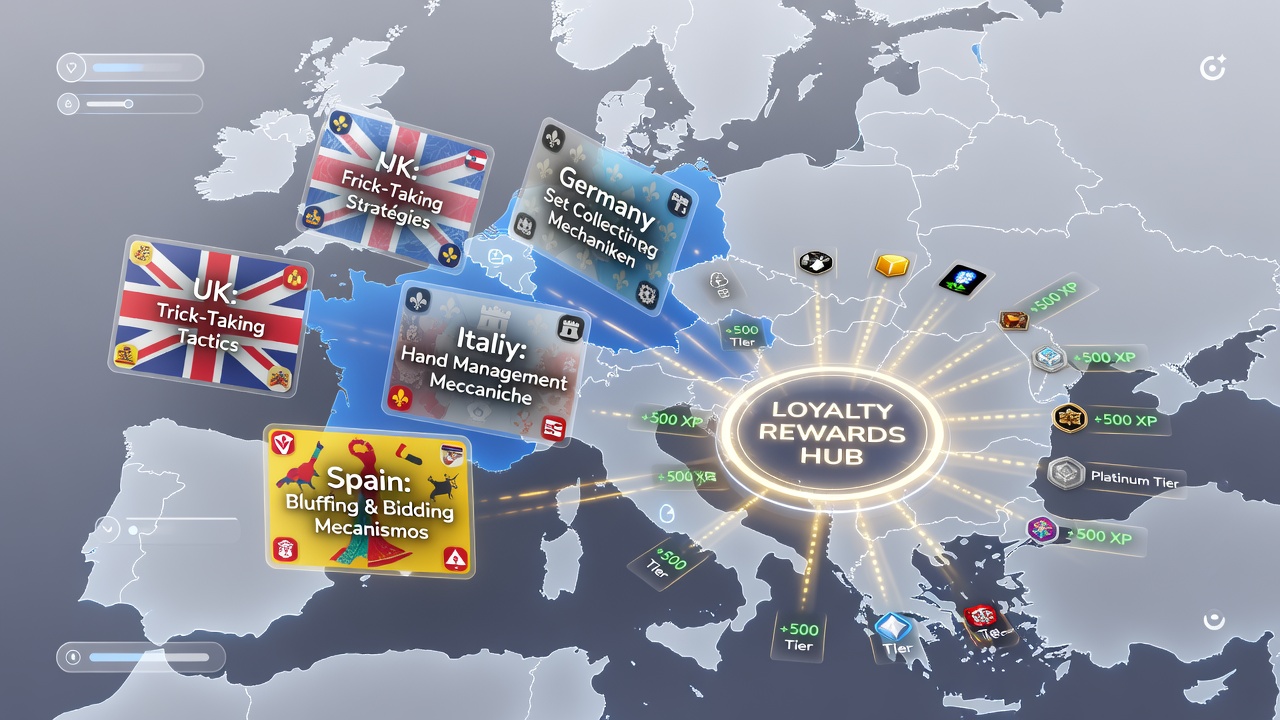
Card game rules differ sharply across European countries and these differences directly influence how operators structure loyalty rewards on digital platforms. In France players encounter specific blackjack variants with distinct deck penetration and surrender options while German platforms often feature modified poker hand rankings tied to regional tournaments. Such mechanics alter session length and player retention patterns which in turn shape the points systems and bonus tiers that platforms offer.
Mechanics Across Borders
Observers note that French-style card games typically use eight-deck shoes with early surrender rules and these elements extend average playtime compared to single-deck variants common in parts of Scandinavia. Longer sessions generate more data points for loyalty algorithms so operators adjust reward multipliers accordingly. Platforms in Italy meanwhile incorporate regional baccara rules that change payout structures and this leads to custom cashback percentages calculated on net losses rather than total wagers.
Data from industry reports shows platforms respond by tailoring tier progression. A player in Spain might earn loyalty points faster on games with local rule twists because operators track engagement metrics tied to those specific mechanics. Researchers at European universities have documented how these adjustments maintain competitive balance while complying with national gambling frameworks.
Loyalty Program Adaptations
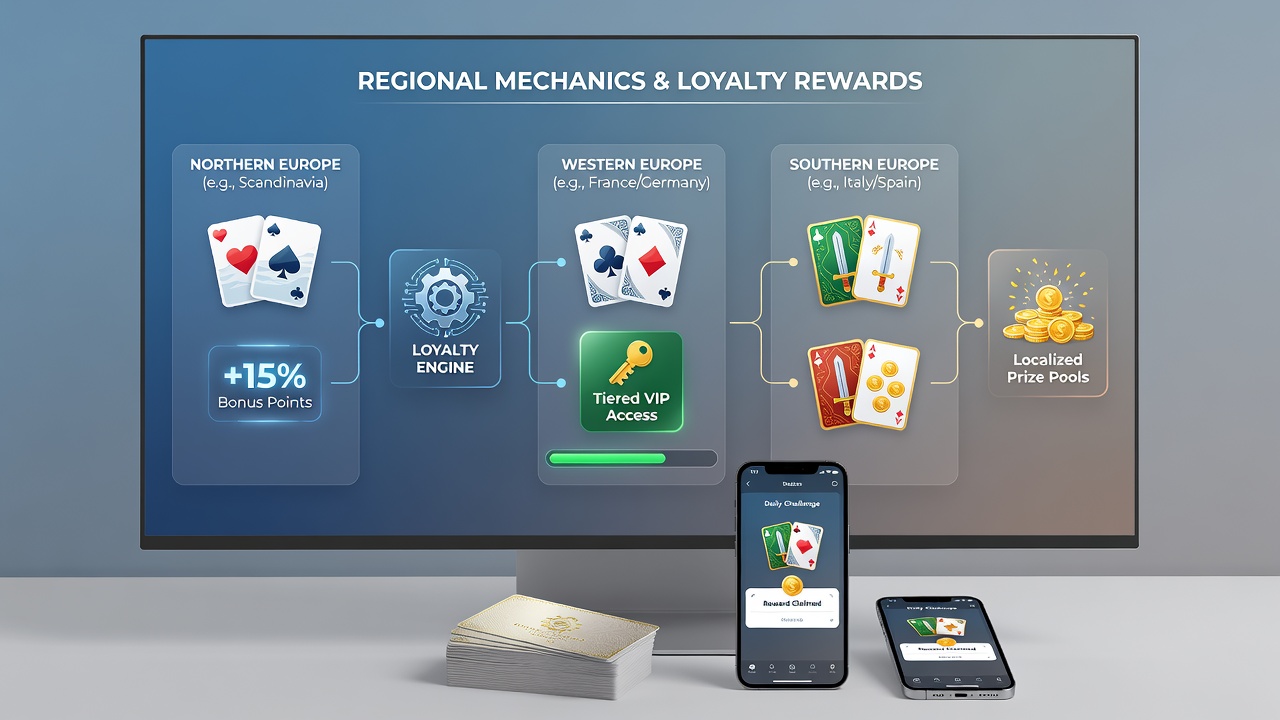
European digital gaming sites integrate regional mechanics into reward calculations through dynamic point allocation. When a card game variant includes more frequent decision points operators increase the points awarded per hand to encourage repeat play. This approach appears in multiple markets where platforms link bonus unlocks to completion of region-specific game challenges.
One study revealed that sites using French card rules often provide loyalty boosts during promotional periods that coincide with national holidays and these events feature modified deck compositions. Players receive additional rewards for participating in themed tournaments and the structure encourages sustained activity. Similar patterns emerge in Eastern European platforms where poker variants with unique betting limits feed into tiered reward ladders.
Regulatory Influences in 2026
Updates scheduled for August 2026 across several EU member states require platforms to disclose how game mechanics affect reward distribution. These rules build on existing directives and force operators to standardize reporting on loyalty point origins. Platforms must now map regional card variations to specific reward categories which increases transparency for users across borders.
According to information from the European Gaming and Betting Association operators have begun testing unified loyalty ledgers that account for mechanic differences while meeting new compliance standards. The changes aim to prevent cross-border discrepancies in reward valuation. Platforms in the Netherlands and Belgium already pilot programs that convert points earned under local rules into a common currency usable on partner sites.
Platform Implementation Examples
Take one major operator serving multiple countries which segments its loyalty tiers by game origin. Users playing French-influenced card games receive accelerated progress toward higher tiers because the mechanics support extended sessions. In contrast platforms focused on Nordic markets apply slower accrual rates to shorter-session variants yet compensate with instant reward triggers at session milestones.
Figures from academic analyses indicate this segmentation improves retention metrics across the board. Operators track variables such as average hands per session and adjust reward frequency to match. Those who've examined the data note consistent patterns where regional mechanics correlate directly with customized bonus structures.
Future Trends
Industry organizations continue to monitor how evolving card game regulations intersect with loyalty innovation. Platforms experiment with mechanic-based challenges that unlock region-exclusive rewards and these features rely on precise rule mapping. Data collected through 2026 will likely inform further refinements as operators balance engagement goals with regulatory requirements.
Conclusion
Regional card game mechanics continue to exert measurable influence over loyalty reward design on European digital gaming platforms. Differences in rules create distinct engagement profiles that operators translate into targeted point systems and bonus tiers. As regulations evolve in August 2026 and beyond platforms will refine these connections to maintain compliance while supporting player activity across diverse markets.